Selected
mandates.

A curated selection of strategic acquisitions across Western Australia — where land, location and considered advice delivered measurable outcomes for our clients.

Selected mandates — Vested Property Advisory

Location Value over Building Aesthetics
Kensington, WACase Study 01 · Location Value over Building Aesthetics
Location Value over Building Aesthetics
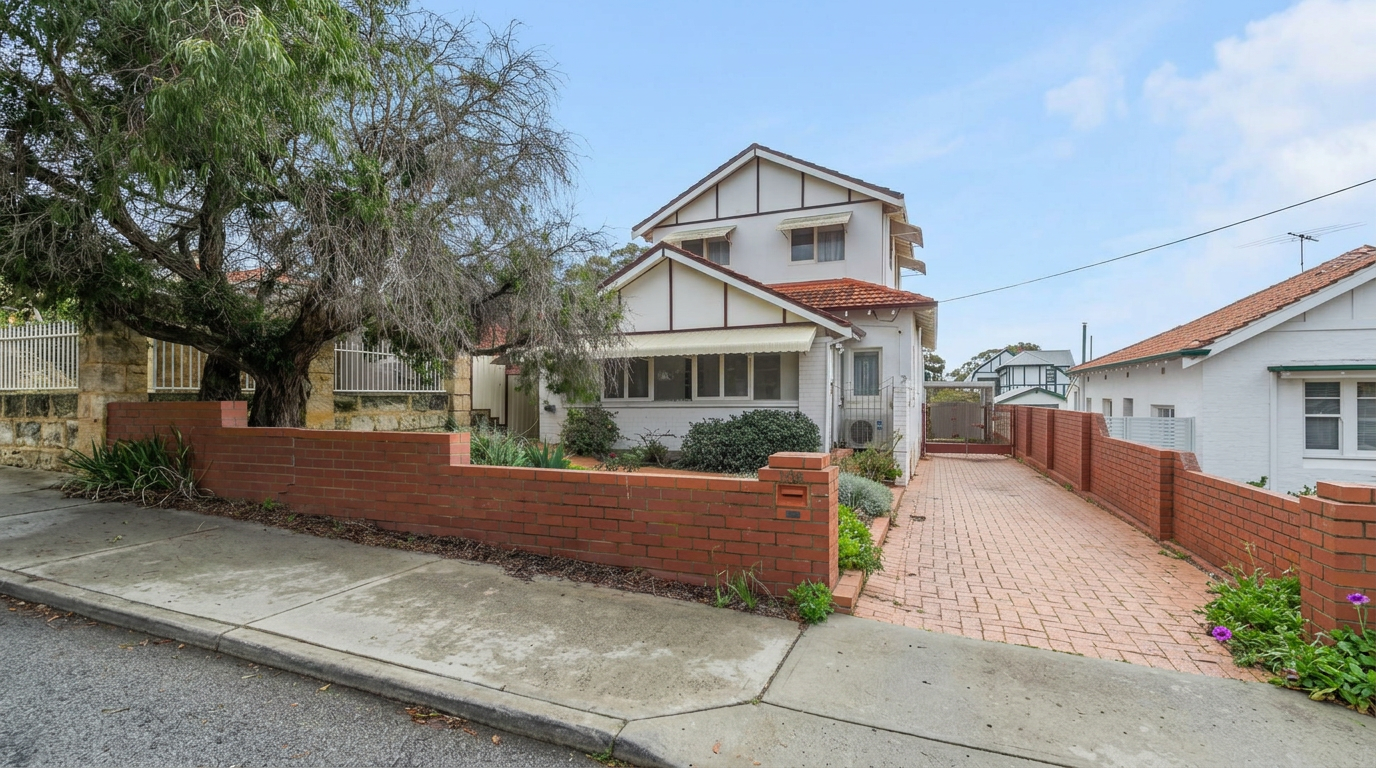
531 m² · Kensington · 3–4km from CBD

How refusing to compromise on land turned a modest budget into a prime-suburb home and over $400,000 in equity inside 12 months.

The Brief

The client wanted into a prime Perth suburb. The problem was a modest budget for that end of the market, and no clear sense of how to make it stretch. In a suburb where the median house sits around the $1.6 million mark, that's a real constraint. The instinct for most buyers is to find the neatest, most move-in-ready house the money will buy.

The Strategy

My advice was the opposite. Don't chase presentation. In a blue-chip suburb the land is the asset that appreciates. The building sitting on it depreciates. If the budget is tight, the one thing you don't compromise on is land size and position, because that's where the long-term value actually lives. Buy the best piece of ground you can and accept a house that needs work. You can always fix a kitchen. You can't move a block closer to the city or make it bigger.

The Property

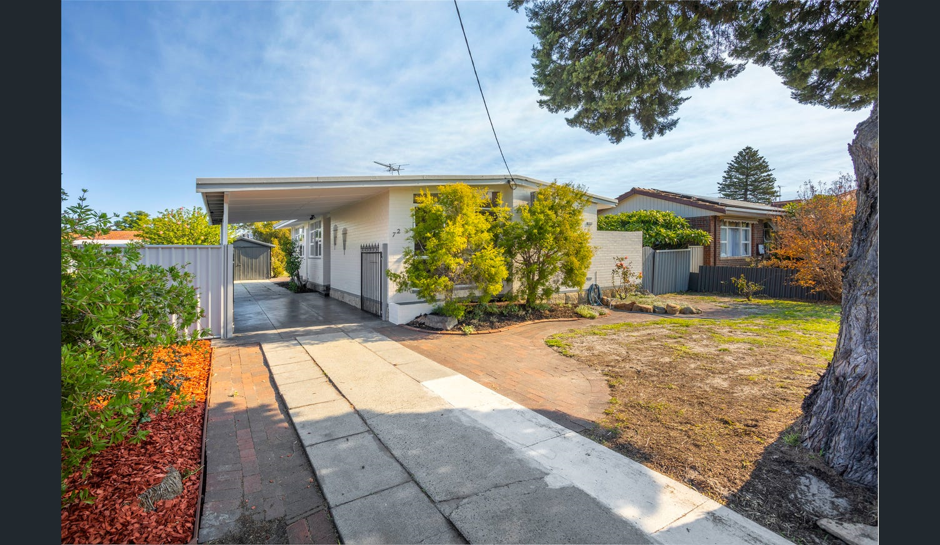
We found a home that fit the thesis exactly. Original condition, never renovated, and on the market for the first time in close to a century after being held by the same family for generations. It was tired, but it was full of character and genuine quality underneath. Solid bones. The kind of place a retail buyer walks past because they can't see through the dated presentation to what it could be.

That's the opportunity. When a good home in a good suburb shows poorly, it thins out the competition and takes the heat out of the price. The buyers chasing turn-key homes self-select out. For a client willing to do a cosmetic refresh, every dollar of that discount converts almost directly to equity.

The Negotiation

The seller was asking $1.5 million. We bought it for $1.43 million. Seventy thousand dollars off the ask, on an asset we already knew was underpriced for what it was.

The Value-Add

The renovation was cosmetic, not structural. Around $50,000 into the kitchen, new flooring and a full repaint. No extensions, no reconfiguration, no fighting the original layout. Just polishing what was already there and letting the character do the rest.

The Outcome

All-in, the client is into the property for roughly $1.48 million. Twelve months on, with the refresh done, it's valued above $1.9 million. That's more than $400,000 in equity, in a suburb that's been running double-digit annual growth on its own, on a home most buyers would have overlooked.

The Point

This is what a clear buying strategy does. The client came in unsure how to use a modest budget in an expensive suburb. The answer wasn't to buy more house. It was to buy better land, see past the cosmetic condition, negotiate hard, and add value where it counts. Knowing what actually drives value in a prime market, and having the discipline to act on it, is the difference between buying a home and building wealth.
531 m²
Land Size
$1.43m
Purchase Price
$400k+
Equity in 12 Months

Over $700,000 in Equity in Less than 1 Year

Gosnells, WACase Study 02 · Over $700,000 in Equity in Less than 1 Year
Over $700,000 in Equity in Less than 1 Year
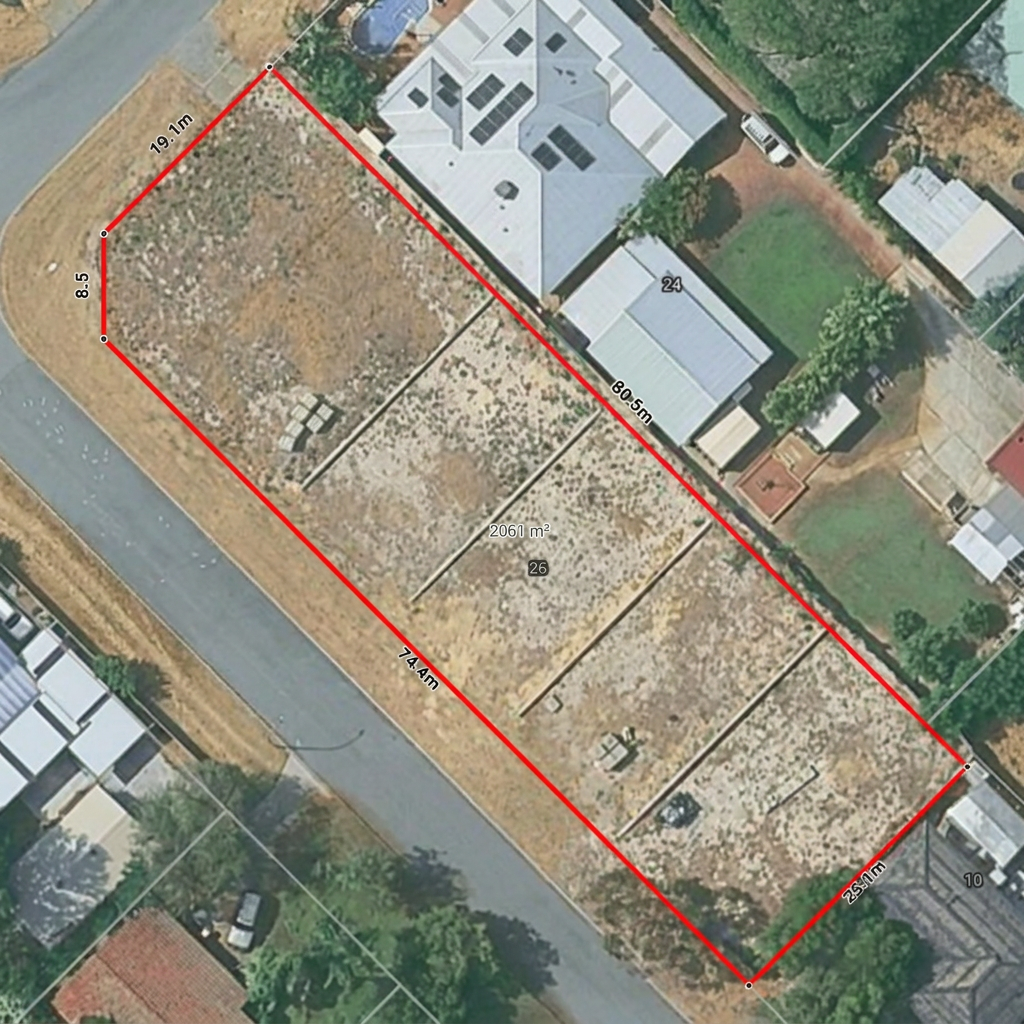
2,006 m² · Corner Block · R20 → R40

How buyer-side due diligence turned a "standard" corner block into an eight-unit development site, and over $700,000 in equity inside 12 months.

The Brief

The client came to us wanting a development play in Perth's southeast corridor. Gosnells fit the thesis. Affordable land by Perth standards, established suburb, on the rail line, and running some of the strongest capital growth in the metro (houses up close to 19% over the year). Twenty kilometres from the CBD but priced like it's further out. The kind of ground where the numbers still stack up for a build.

What the Market Saw

The site was presented as a corner block with an older home on it. Nothing about the listing flagged what it actually was. Priced and pitched as a standard R20 residential holding, which on paper means two, maybe three dwellings. That's how the selling agent understood it, and that's how it was being sold.

The selling agent didn't know it was an eight-unit development site. Not because they were hiding it. They simply hadn't dug.

The Edge

We did. As part of due diligence I called the City of Gosnells directly and worked through the site's planning status with the council. That's where it surfaced: the City was in the final stages of upgrading the zoning from R20 to R40.

That single fact changes everything. R40 density on a 2,006 sqm site supports eight street-front units, not two or three. The yield roughly triples. And because the uplift hadn't been gazetted yet, the market hadn't priced it in. The value was already in the dirt. It just wasn't visible to anyone who took the listing at face value.

Why the Corner Matters

Corner sites are their own advantage, and this one is textbook. With frontage to two streets, you don't sacrifice land to a shared driveway or common-property access the way you do on a battle-axe or single-frontage block. Every square metre stays developable. Eight lots, each with its own street frontage, deliverable as green title or survey strata depending on the client's exit. No wasted land, no easement compromise on yield.

The Outcome

We bought at $1.3 million. On 2,006 sqm that's about $648 per square metre, in a Gosnells market now sitting well above $1,000 per square metre for developable land. Add the R40 yield the site now carries, and the client is holding more than $700,000 in equity less than a year after settlement. That's before design, approval, or a single unit built.

The Point

This is what independent, buyer-side due diligence actually buys you. The selling agent works for the vendor. Their job was to sell the block as listed, and they did. Our job was to find out what the block really was, and we did that by picking up the phone and going to the source.

The difference between the two positions was worth $700,000 to our client. That's the case for having someone in your corner whose only job is to protect your interests.

2,006 m²
Land Size
R20 → R40
Zoning Uplift
$700k+
Equity in 12 Months

The Strategic Dual Purchase — Part 1

Kewdale, WACase Study 03 · The Strategic Dual Purchase
The Strategic Dual Purchase — Part 1
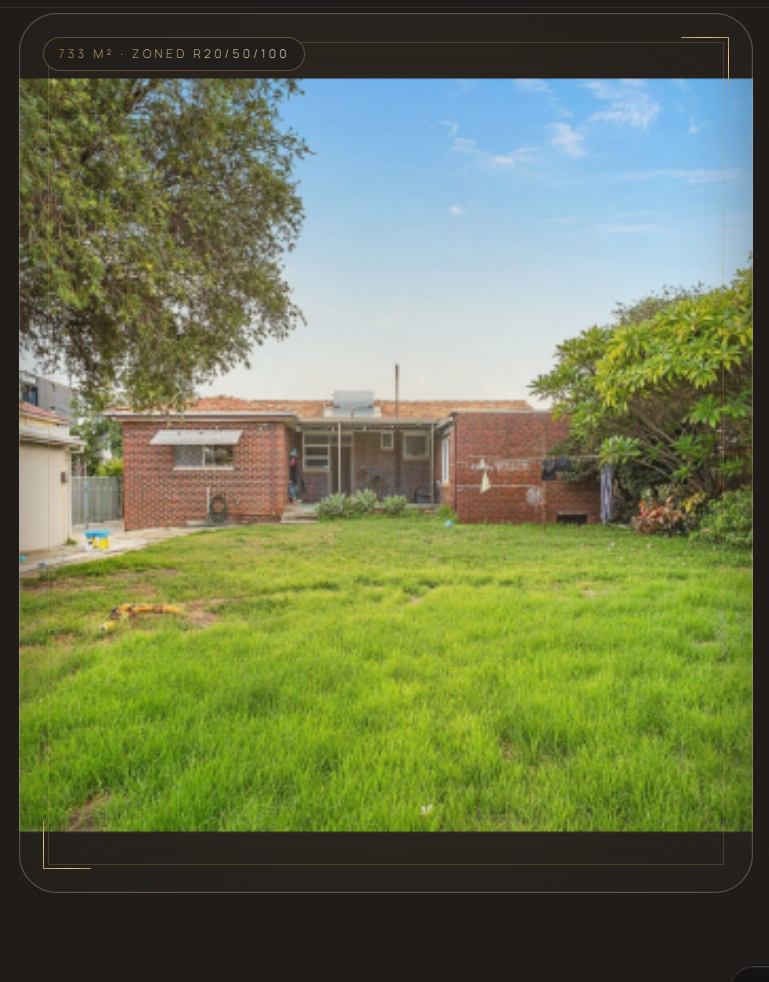
733 m² · Zoned R20/50/100

The client wanted more than a rental. They wanted a position. Something that produced income today but carried a genuine second act — the kind of asset that keeps working long after settlement.

The Brief

That narrows the field fast. Most stock that ticks the income box is a finished product with nowhere left to go. The blocks with real development upside are usually tired, tenantless, and a cash drain while you wait. Finding one property that does both jobs is hard. Finding two, side by side, that combine into something far larger than the sum of their parts, is a different exercise entirely. It takes patience and a plan.

Kewdale fit the brief on the fundamentals. Eight kilometres from the CBD, an established suburb inside the City of Belmont with a median house price sitting around $880,000 and climbing at a double-digit annual rate (current to mid 2026). Tight supply, quick sales, and a council that has been actively encouraging infill and higher density on the right coded blocks. Good bones for both an income play and a development one.

The Strategy

The thesis here was assembly. On its own, a single 733 sqm block under R20/50/100 is a decent small-scale development site, a handful of units at most. Two adjoining blocks under the same coding is a different animal. Combine them and you have the frontage, the depth, and the site area to justify an apartment build — the sort of project a single lot can never carry.

That is the whole game with the R100 tier. It rewards scale. A larger consolidated site unlocks a built form, a plot ratio, and an economic case that fragmented ownership blocks. So the play was never one purchase. It was two, run in sequence, quietly, so the second acquisition was not priced off the back of the first.

This is Part 1: the first of the two blocks. A renovated 3 bed 1 bath home that rents from the day it settles. The income is not the point of the strategy, but it matters. It covers the holding costs while the second piece is secured and the development plan matures. The client is not bleeding money waiting for a payoff. The asset pays its own way.

The Edge

The value most buyers miss here is not in either block on its own. It is in the pairing.

A retail buyer looks at 733 sqm with a tidy renovated house and sees exactly that: a good rental in a strong suburb. A developer looks at the same block and sees a small site, worth a few townhouses at best. Neither is wrong on the single lot. But neither is seeing what we saw, which was the block next door, the matching R20/50/100 coding across both, and the site that appears the moment you hold the two together.

R20/50/100 is Kewdale's flexible split code. The base sits at R20, but the scheme allows a lift up to R50 and R100 where the performance criteria are met, and the R100 tier is what carries apartments. There are already blocks in this suburb transacting on exactly that basis, marketed to developers for multi-storey residential. The coding is not speculative. What was scarce was the buyer with the discipline to acquire two neighbouring lots in the right order rather than overpaying for one and hoping.

The Value-Add

The immediate work was straightforward. The home was already renovated and presented well, so this was about positioning it to earn while the bigger plan runs.

At $650 per week it is producing solid income now, with a forecast lift to $720 as the lease resets to current market. That $720 figure is not a stretch — it sits right in line with what renovated houses in Kewdale are commanding, so it reads as a conservative, well-supported number rather than an optimistic one. Steady, defensible cash flow that carries the holding costs on the way to the real prize.

The Outcome

Part 1 delivers three things at once. Income, from a renovated home returning $650 a week and heading toward $720. A foothold, being half of an assembled development site in a suburb 15 minutes from the city that is growing at a double-digit annual clip. And optionality, in the form of a 20 to 25 dwelling apartment play held in reserve, ready to move on once the second block is secured and the numbers and approvals line up.

None of the development upside has been drawn down yet, and that is the point. The client owns the income today and controls the far larger opportunity for later. The final dwelling yield will depend on the combined site area across both lots and on City of Belmont approval, so the 20 to 25 figure is the target the coding and site support, not a guaranteed number. Part 2 is where the other block, and the rest of this story, comes together.

The Point

Anyone can buy a rental. The work that earns a buyer's agent their fee is seeing the position, not just the property.

The selling agents on these blocks were selling houses. That is their job, and they were engaged by the vendors to do exactly that. Our job was the opposite: to work only for the buyer, to look past the tidy renovation and the weekly rent, and to recognise that the real asset was not this block or that one, but the site that forms when you hold the two together under the right coding. That is not luck. It is knowing the codes, reading the suburb, and having the discipline to buy in the right sequence rather than chasing a single lot and paying for the privilege. One purchase down, the plan intact, and the biggest part of the value still to come.

733 m²
Land Size
$650→$720
Weekly Rent
20–25
Target Dwellings

The Strategic Dual Purchase — Part 2

Kewdale, WACase Study 04 · The Strategic Dual Purchase
The Strategic Dual Purchase — Part 2

How securing the second of two adjoining blocks completes the assembly — turning a pair of rentals into one consolidated site for a 20 to 25 apartment complex, 15 minutes from the Perth CBD.

The Brief

Part 1 secured the first block. The brief for Part 2 was simpler to state and harder to execute: get the one next door, on terms that keep the whole plan viable.

This is the part of an assembly play that quietly decides whether it works. Buy the first block well and you have a good rental. Fail to land the second and that is all you ever have — a good rental sitting next to someone else's, with none of the scale that made the strategy worth running. The value was never in either lot alone. It was always in holding both, and until the second one settled, that value was still just a plan.

The Strategy

The whole exercise turns on sequence and discipline. Two adjoining 733 sqm blocks under R20/50/100 combine into a site with the frontage and area to carry an apartment build. Neither does that on its own.

The risk in any assembly is well known. The moment your intent is obvious, the second owner has every reason to hold out for a premium, and the economics that justified the play can evaporate. So this block was pursued deliberately and without fanfare, on its own merits as a tenanted home, so the price reflected the property rather than the strategy sitting behind it. Land the second lot on sensible terms and the assembly stands up. Overpay for it and the numbers that made the whole idea work start to wobble.

This block came with a sitting tenant and income from day one, which made the hold straightforward while the development plan matures across both titles.

The Edge

With Part 1 already secured, this block was worth more to our client than to any other buyer in the market — and worth exactly a standard Kewdale house to everyone else.

That is the quiet advantage of an assembly done properly. A retail buyer or an investor prices this lot as what it looks like: a partially renovated 3 bed 1 bath on 733 sqm, a solid rental in a strong suburb. They are not wrong on the single block. But they cannot see the site, because they do not own the one beside it. Our client did. That is the only reason this acquisition was the piece that completes a 20 to 25 dwelling development site rather than just another house on the street. The R20/50/100 coding does the heavy lifting on paper. Owning both sides of the fence is what turns it into something buildable.

The Value-Add

Unlike its neighbour, this home is only partially renovated — and that is not a weakness. It is a lever.

The block is already returning $700 a week, which sits right at the top of the Kewdale house rental range, so the income is strong from the outset. Finishing the renovation is the path to the forecast $750 and arguably beyond. Where the first block was bought done and ready, this one carries a modest, deliberate upside in the improvements still to make. More rent while the development plan runs, and no money spent gold-plating a home that may ultimately make way for the apartment build.

The Outcome

With Part 2 settled, the strategy is no longer a plan. It is a position.

Both blocks are held. The site is assembled and under single control in a suburb 15 minutes from the city that is growing at a double-digit annual rate (current to mid 2026). Across the pair, the homes are tenanted and covering their holding costs, with rent on this block heading from $700 toward $750 as the renovation finishes. And the real prize — a 20 to 25 dwelling apartment complex on the consolidated site — is now ready to progress rather than waiting on a missing piece.

That dwelling figure still depends on the combined site area, the final built form, and City of Belmont approval, so it is the target the coding and the assembled site support, not a settled number. But the hard part, controlling both blocks, is done. Everything from here is design, approvals, and timing — all of which our client now controls outright.

The Point

The first purchase started the play. This one is what made it real.

Assembly is one of the highest-value strategies a buyer's agent can run, and one of the easiest to get wrong. It rewards patience, sequencing, and the nerve to pursue the second block without tipping your hand and inflating the price. The selling agents on each block were doing their job, selling a house for a vendor. Our job was to see two houses and buy one site, in the right order, at the right prices, so the sum was worth more than the parts. Two purchases, one consolidated holding, and a development opportunity that exists only because both sides of the fence are now in the same hands. That is what independent, buyer-side advocacy is for.

733 m²
Land Size
$700→$750
Weekly Rent
20–25
Target Dwellings

Retain and Renovate the Front, Sub-divide and Build the Back

Kewdale, WACase Study 05 · Retain and Renovate the Front, Sub-divide and Build the Back
Retain and Renovate the Front, Sub-divide and Build the Back
875 m² · Wide Side Access · 3 Bed → 3 Bed/2 Bath

How buying for optionality delivered a rentable home, a development play in reserve, and $130,000 in equity inside 9 months.

The Brief

The client wanted a property with the ability to retain. Not just a house to hold, but a block that could do more than one job. Something that would pay its way as a rental from day one and still carry a second move for down the track. That brief shapes everything about what you go looking for.

The Strategy

The play here was optionality. You buy a home that stands on its own as an income-producing asset today, and you make sure the block underneath it holds a development lever you can pull whenever it suits. The client isn't forced to build straight away. They get a tenanted house now, and the subdivision or granny flat sits there as equity in reserve, ready when they want it. In a market like this, having that second option baked into the purchase is worth far more than a slightly nicer house on a block that can't do anything.

The Property

875 sqm, a 3 bed 1 bath, and the two features that made it work: wide side access and around 380 sqm of usable land at the rear. The side access is the quiet hero here. Plenty of blocks look like they have rear development potential until you realise there's no way to actually get to the back without carving up the existing house. This one had a clean run down the side, which turns 'potential' into something you can genuinely deliver, whether that's a granny flat or a survey strata subdivision subject to approvals.

The Value-Add

The client renovated the existing home and took it from a 3 bed 1 bath to a 3 bed 2 bath for around $60,000. That second bathroom does real work: it lifts the rent, widens the tenant pool, and moves the property up a bracket in valuation terms. Current rental estimate sits at $720 per week, a solid yield on the all-in cost.

The Outcome

The client is into the property for roughly $770,000 all up. Less than nine months after settlement it's valued around $900,000. That's about $130,000 in equity already, in a suburb that's been running close to 20% annual growth. And that figure is before the rear is touched. The granny flat or subdivision upside is still sitting there, unrealised, which means the equity story on this one isn't finished. It's barely started.

The Point

This is what buying for optionality looks like. Most buyers see a 3 bed 1 bath and value the house. We valued the block: what it earns now, what it can become later, and whether you can actually get to the back to make it happen. Strong yield today, a development play in reserve, and capital growth doing the heavy lifting underneath all of it. That's how you make one purchase work three ways.

875 m²
Land Size
$770k
All-in Cost
$130k
Equity in 9 Months

The Diamond in the Rough

Perth Foothills, WACase Study 06 · The Diamond in the Rough
The Diamond in the Rough
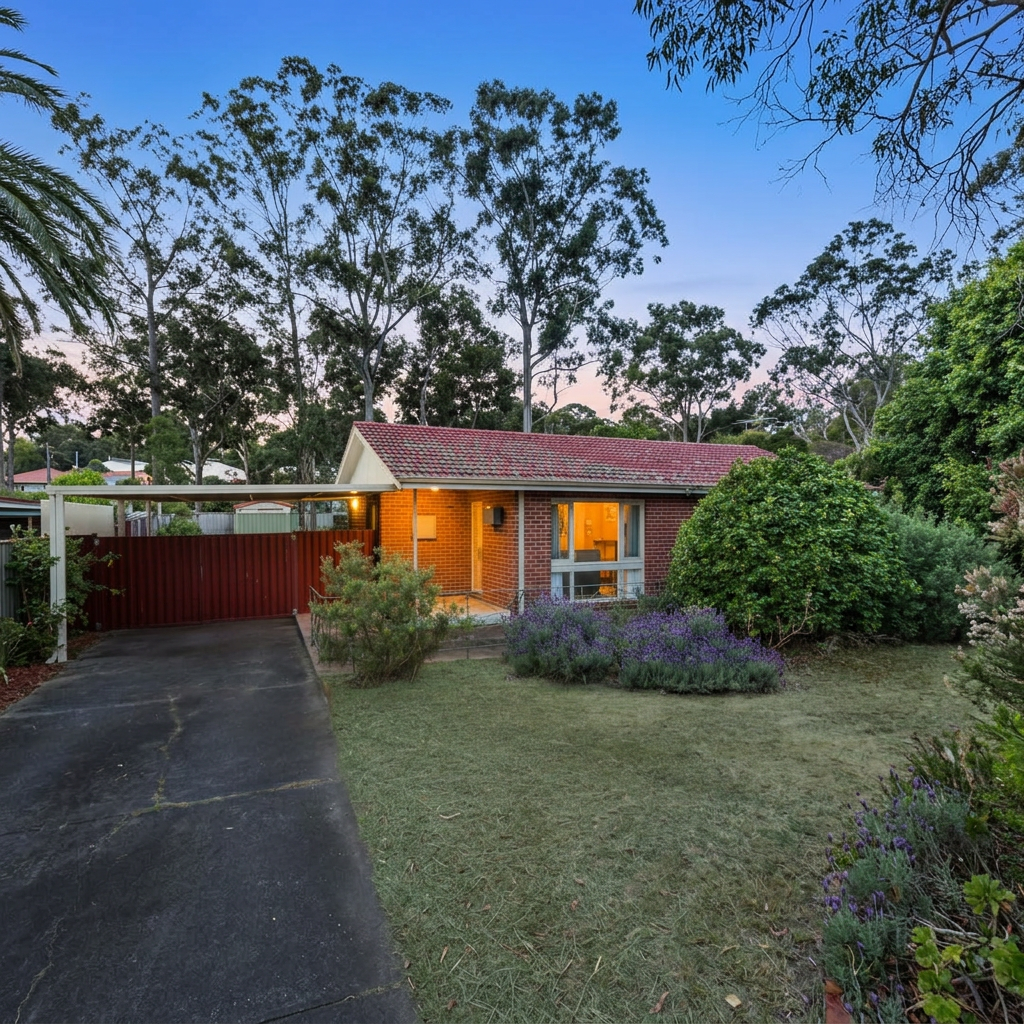
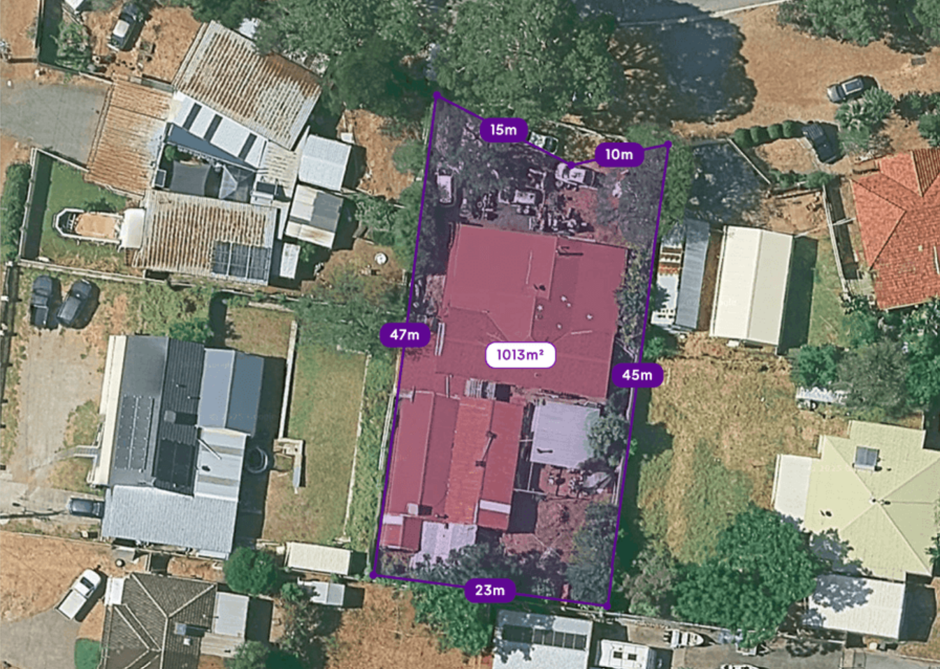
1,013 m² · Perth Foothills · 3-lot potential

How buying for what the block could become turned a tired 1960s renovator into a home worth close to $900,000, with a three-lot subdivision still sitting in reserve.

The Brief

The client wanted one property to do more than one job. Something they could renovate and hold as a rental, with real subdivision potential underneath it for later. Not a finished home to move into. A block with room to move.

That brief narrows the search fast. Most buyers in that price bracket are shopping for the house. We were shopping for the land, and for the two or three moves the land would allow once it was ours.

The Strategy

The thinking here is optionality. Buy the block that can pay its way today as a renovated rental, and still hold a development lever you can pull whenever it suits. You are not betting everything on the subdivision. You are being paid to wait for it.

Mount Richon suited that thesis. It is an established hills suburb sitting on generous blocks, adjacent to the Armadale town centre and the train line, and it has been one of the stronger performers in the south-east corridor. CoreLogic has the suburb running around 15% annual capital growth, with the median house price sitting in the mid-to-high $800,000s to early 2026. When the suburb itself is doing that kind of lifting, a renovated home on 1,013 sqm has the wind behind it before you touch the subdivision.

The Block

The house was a proper mess. That is not a criticism, it is the opportunity. A dated 1960s home on a large block thins out the buyer pool and softens the price, because most people cannot see past the condition to the land underneath.

We could. The key was where the house sat on the block. Position dictates everything on a subdivision play. Get it wrong and you lose lots to setbacks, driveways and awkward geometry. We looked hard at where the existing home sat relative to the 1,013 sqm, worked out that the block could carry three lots in total, and knew before we bought that we could keep the renovated home on one lot and create two more behind it. The elevated position and the city and hills views were the bonus on top.

The Value-Add and the Negotiation

We bought at $640,000 in late 2025, then negotiated a further $15,000 off before settlement. That is a $625,000 entry on a block the market was mispricing on presentation alone.

From there the client put close to $100,000 into a full renovation and turned a 3 bed 1 bath into a 3 bed 2 bath. The backyard was cleared, both to lift the home and to ready the rear for what comes next. The second bathroom matters more than it looks. It lifts the rent, it lifts the valuation, and it widens the pool of tenants and future buyers. The rental estimate now sits around $715 per week.

Call it roughly $725,000 all in. Purchase, negotiation and renovation.

The Outcome

The home is now valued close to $900,000. That is somewhere around $175,000 of equity created inside a year, on about $725,000 all in, in a suburb that has been growing at close to double digits. And that number is before the subdivision. The three-lot potential has not been realised yet. It is still sitting there as upside the client can choose to pull when the timing works.

The Point

Most buyers valued the house, saw the mess, and walked. We valued the block, what it earns as a renovated rental now and what it becomes as three lots later. One purchase working three ways: a home, an income, and a development play in reserve. That is what independent, buyer-side advice is for. Seeing what the block really is, checking where the house sits before you commit, and negotiating hard on the way in. The selling agent works for the vendor. We worked for the buyer, and the gap between those two jobs was worth six figures.

1,013 m²
Land Size
$725k
All-in Cost
$175k
Equity in 12 Months